A city of 500,000 and a town of 5,000 have to meet the same sewer standards. The difference is who's doing the work.
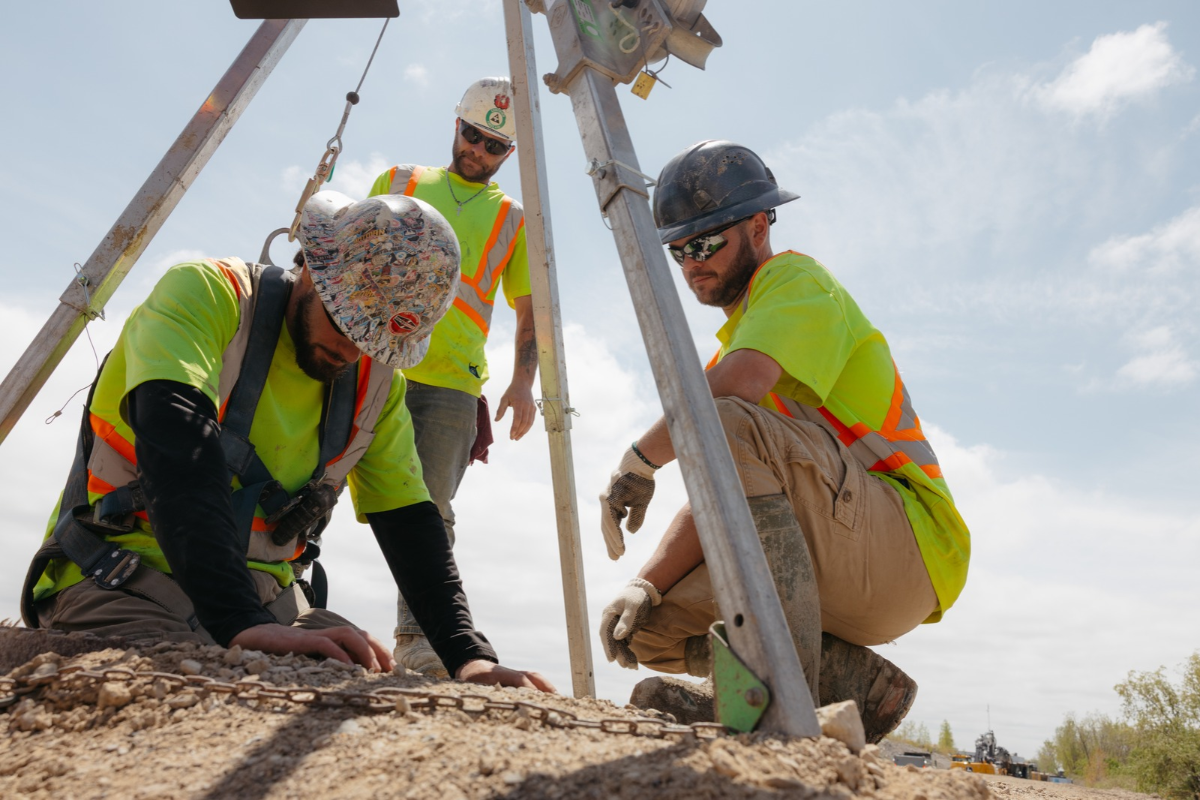
In the big city, there's a fleet, a crane on call, and a department for everything. In the small town, it might be three guys, one backhoe, and a public works director who also handles water, streets, and snow.
Small systems carry a big load
There are close to 13,000 publicly owned treatment works in the U.S. that serve fewer than 10,000 people each. According to EPA's 2022 Clean Watersheds Needs Survey, small systems have documented about $41 billion in capital needs over the next 20 years.
Most of them are working with limited staff and limited resources to plan or pay for upgrades. Every dollar and every crew hour has to count.
Concrete wasn't built for lean crews
A traditional precast manhole asks a lot of a small operation:
- Heavy equipment. Setting multi-ton sections often means renting a bigger machine or bringing in a crane.
- Long hauls. Precast plants aren't next door to every rural town. Heavy loads cost more to ship, and lead times add up.
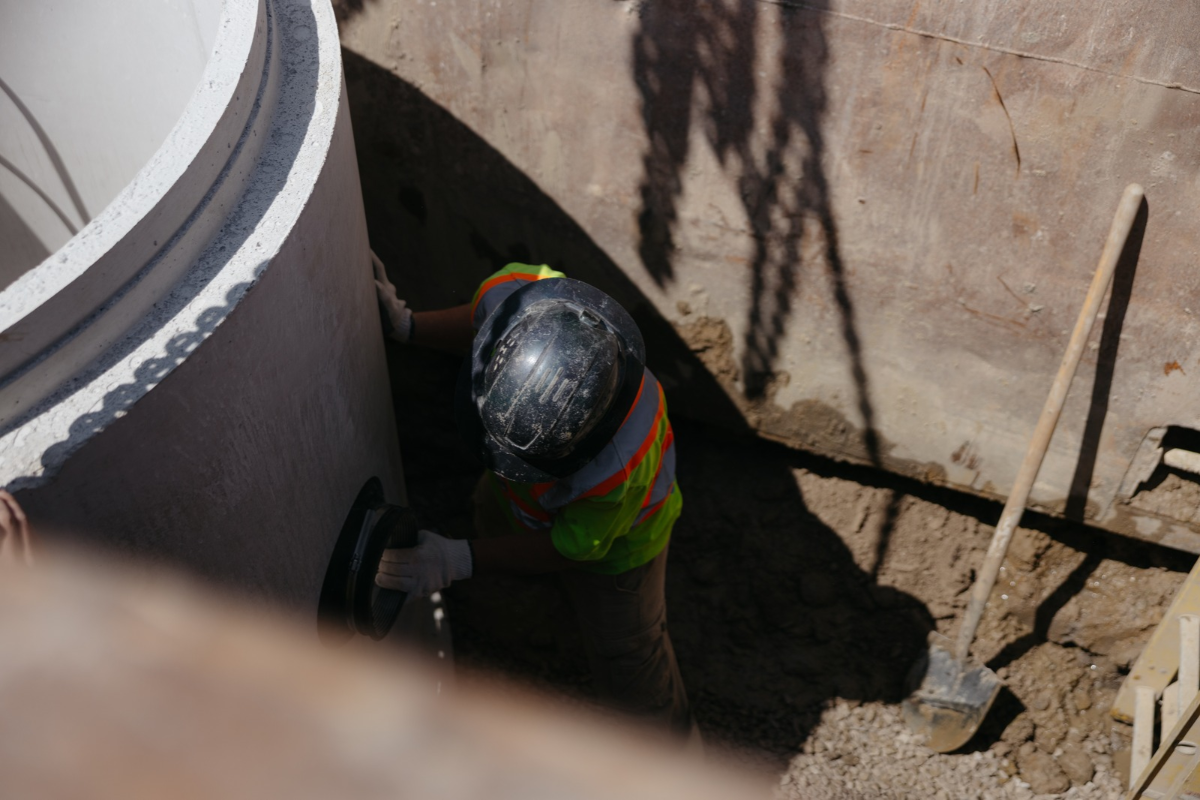
- More hands in the hole. Stacking sections, sealing joints, and fixing alignment in the field takes time and people you may not have.
- Confined-space entry. Inspection and maintenance in a traditional manhole can mean entry permits, gas monitoring, and a full safety crew.
None of that is a problem when you have a deep bench. It's a real problem when you don't.
Built for the crew you actually have
The Poo Pit was designed to work the way small utilities work.
- Light enough for the equipment you own. At a fraction of the weight of concrete, it can be set with smaller machines and simpler rigging.
- Cheaper to ship. Lighter loads mean lower freight, even when the job is a long way from anywhere.
- Shows up ready. Inlets and outlets come configured to your plans. Crews have set one in as little as 15 minutes.
- No confined-space entry. Inspection, camera work, and cleaning happen from the surface through the riser. Nobody has to go down.
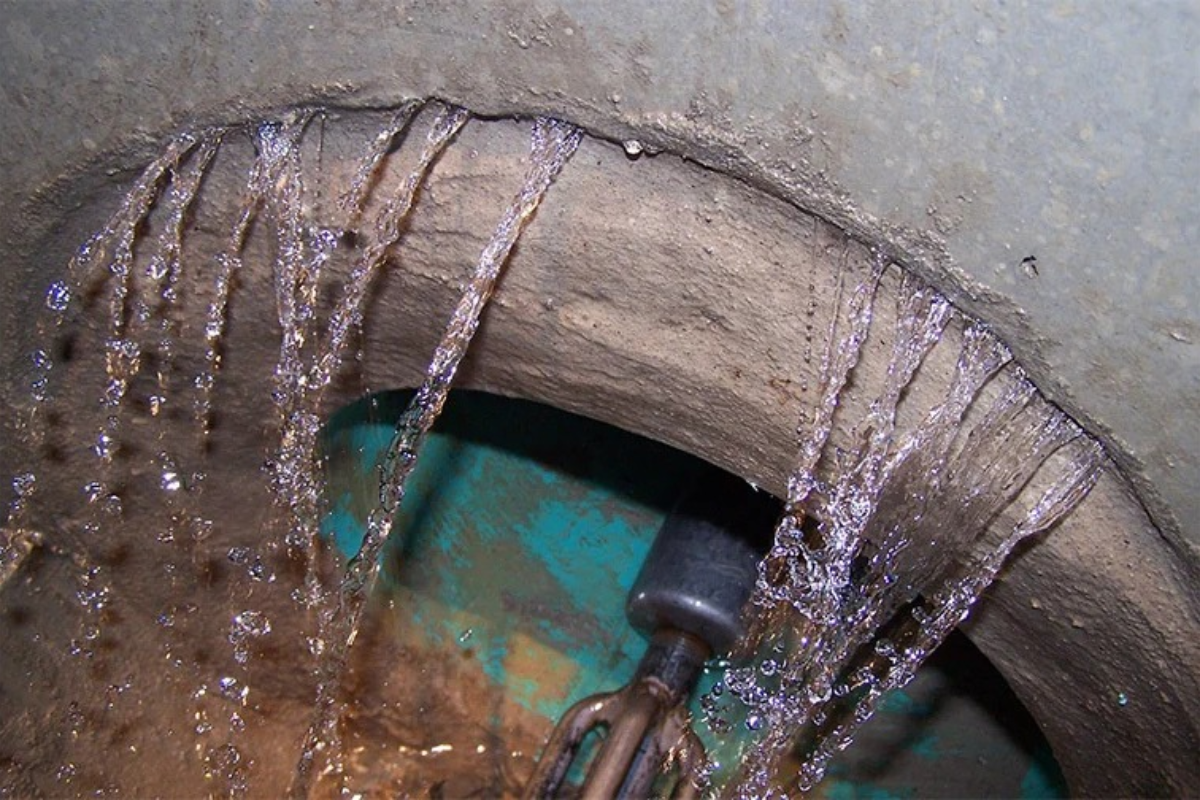
- Built to outlast the budget cycle. HDPE doesn't corrode from hydrogen sulfide, so you're not budgeting for repairs and rehab down the road.
Do more with what you have
When a crew can set a structure faster, with the equipment they already own, they get to the next job sooner. When there's no confined-space entry, routine inspection becomes a quick task instead of a production. When the structure doesn't corrode, money that would have gone to rehab goes somewhere else.
For a small utility, that's the difference between keeping up and falling behind.
You don't need a big crew to build infrastructure that lasts. You need the right product for the crew you've got.
Contact our team to see how the Poo Pit can fit your infrastructure needs: https://www.poopit.com/contact