It's carrying the gas to your stove
According to PHMSA, plastic is the most common material in U.S. natural gas distribution. It makes up more than half of all distribution main miles and about 70% of service lines, the lines that run right up to homes and businesses. Polyethylene has been used in gas service since the late 1950s.
If utilities trust it with pressurized natural gas under your street, it can handle a sewer access chamber.
It's carrying the water to your tap
Cities across North America use HDPE pressure pipe for drinking water, built to the AWWA C906 standard. A study commissioned by the Plastics Pipe Institute and run by Jana Laboratories found polyethylene water pipe can last more than 100 years across most water conditions and disinfection methods. That's double the 50-year benchmark the industry used to plan around.
It's holding the fuel in your truck
Open the hood on almost any modern pickup and you won't find a steel fuel tank. Automakers started switching to HDPE in the 1980s because it's lighter, it doesn't rust, it handles impact better, and it can be molded into whatever shape the frame needs.
Think about that. The tank that rides under your truck through potholes, road salt, and summer heat is the same family of material as the Poo Pit.
And a lot more you see every day
- Landfill liners, where HDPE geomembranes keep contaminants out of groundwater
- Water reservoir liners, certified for drinking water contact
- Milk jugs and detergent bottles, the #2 in the recycling triangle
- Cutting boards in commercial kitchens, because it won't absorb bacteria or crack under a cleaver
- Culverts and storm pipe under the roads you drive every day
Why it works underground
The same things that make HDPE the go-to for gas, water, and fuel make it the right call for wastewater.
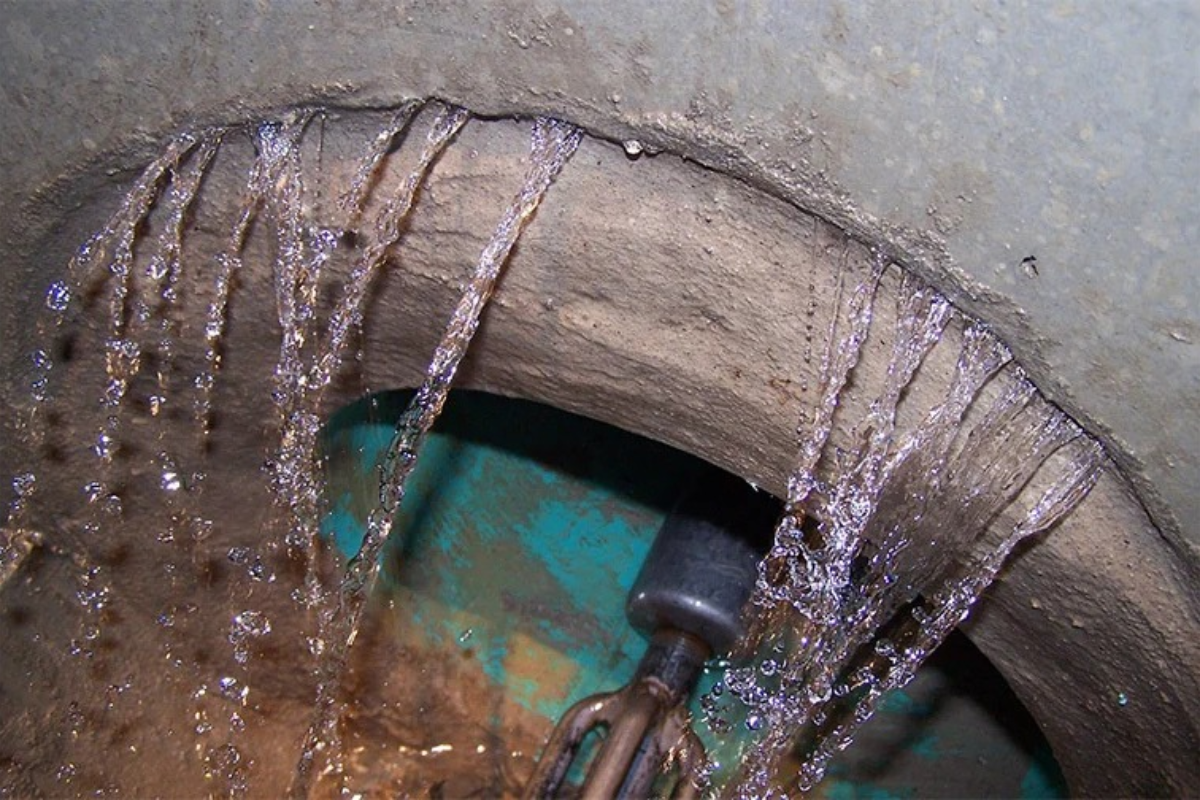
It doesn't corrode. Hydrogen sulfide in sewers turns into sulfuric acid that eats concrete from the inside. HDPE doesn't react to it.
It flexes instead of cracking. Ground shifts. Soil freezes and thaws. Concrete is rigid, so it fractures. Polyethylene has enough give to absorb movement and minor settling.
It's one piece. The Poo Pit is rotationally molded as a single seamless body. No mortar joints and no stacked sections for groundwater to work through.
It's light. A fraction of the weight of concrete means smaller equipment, simpler rigging, and lower freight.
"Plastic" isn't all the same
We'll be straight with you. Thin, cheap plastic can get brittle in the sun or crack when you drop it. That's not what this is. The Poo Pit is thick-walled, engineered HDPE built for soil load, chemical exposure, and decades of buried service. It's UV-stabilized for the short time it spends above ground before burial.
It's the same material standard you already count on for gas, water, and fuel. Just shaped for the sewer.
The material isn't new. The application is.
HDPE has earned its reputation over more than 60 years in some of the most demanding jobs out there. The Poo Pit simply puts that proven material where concrete has been failing for decades.
Spec our product line for your next project: https://www.poopit.com/contact